
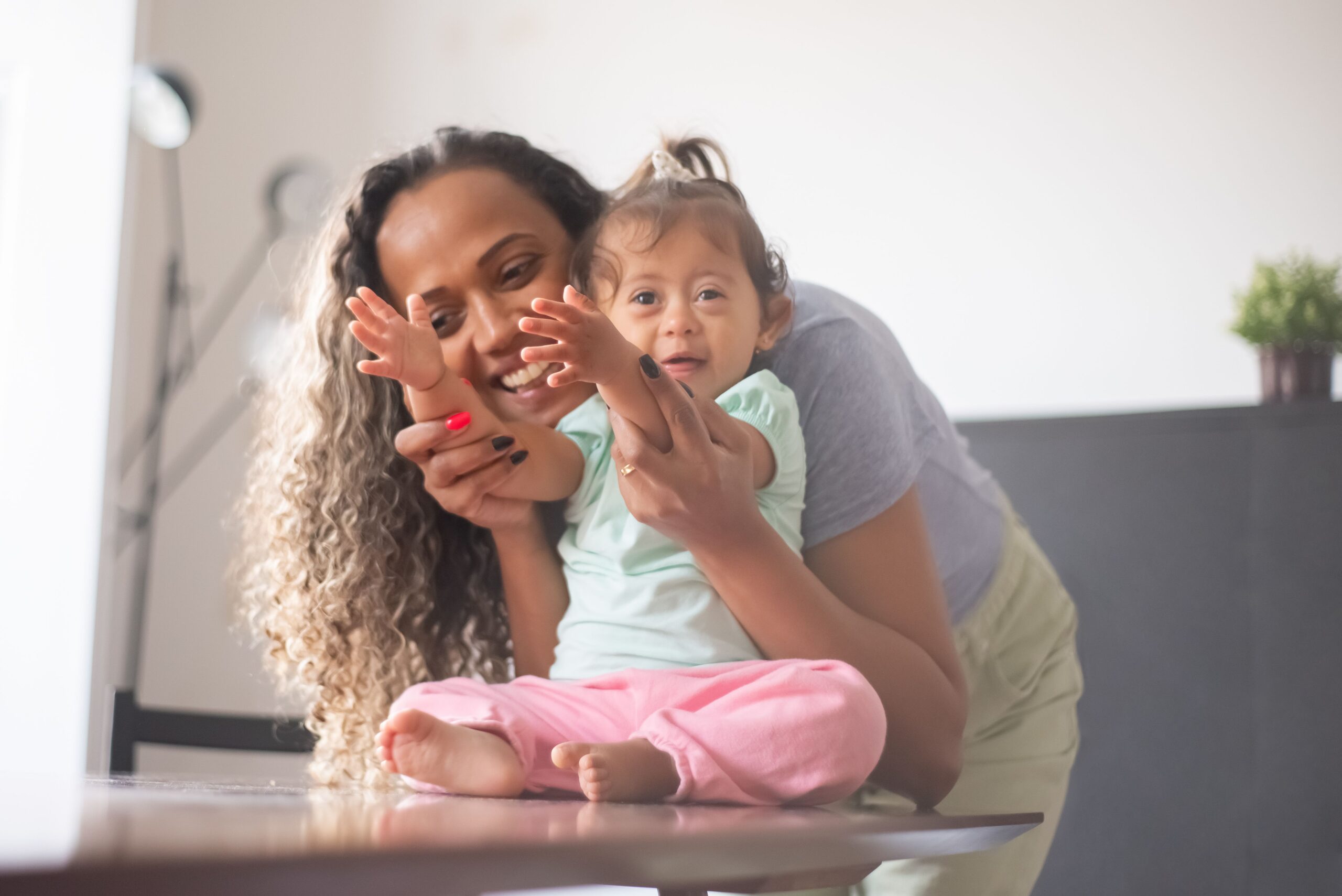
One of the most common questions parents ask is, “When should my child say their first word?” Every child develops at their own pace, but understanding typical communication milestones can help you know when to celebrate progress and when it may be worth seeking advice.
The short answer
Most children say their first meaningful word around 12 months of age. These first words may include “mama,” “dada,” “ball,” “bye,” or the name of a favourite person or object.
It’s important to remember that communication begins long before spoken words. Babies are learning to communicate from birth through eye contact, facial expressions, gestures, babbling, and interactions with the people around them.
Communication milestones before first words
Speech and language development starts well before a child’s first birthday. Here’s what you can generally expect:
Birth to 6 months
During the first six months, babies begin communicating by:
* Turning towards familiar voices
* Smiling and making eye contact
* Cooing and making vowel sounds
* Laughing and responding to familiar people
* Taking turns making sounds with caregivers
Around 6–9 months
As babies grow, they typically begin:
* Babbling repetitive sounds such as “bababa” or “dadada”
* Responding to their own name
* Showing excitement when spoken to
* Using different sounds to express emotions
* Watching people’s faces when they talk
Around 9–12 months
Before first words, many babies will:
* Understand simple words such as “no” or “bye-bye”
* Follow simple requests with gestures (for example, “Come here”)
* Point to objects they want or find interesting
* Wave goodbye or clap
* Continue using a variety of babbling sounds
* Attempt to imitate words they hear
What counts as a first word?
A first word doesn’t have to be perfectly pronounced.
For example, saying “ba” consistently for “ball” or “wa” for “water” can count as a first word if your child uses it intentionally and consistently to refer to the same thing.
Speech clarity develops over time. The important part is that your child is intentionally communicating meaning.
How many words should my child have?
Every child develops differently, but as a general guide:
* 12 months: Around 1–5 words
* 18 months: Around 20–50 words, with vocabulary growing rapidly
* 24 months: Approximately 200–300 words and beginning to combine two words, such as “more milk” or “Daddy home”
Keep in mind that children also understand many more words than they are able to say.
What if my child isn’t talking yet?
Not all late talkers have a long-term communication difficulty, but it’s important to look at the bigger picture.
You may wish to seek advice from a speech pathologist if your child:
* Is not babbling by around 9 months
* Is not using gestures such as pointing or waving by 12 months
* Has no meaningful words by around 16 months
* Is not combining two words by 2 years of age
* Seems to have difficulty understanding simple language
* Has lost words or communication skills they previously used
Early assessment doesn’t always mean therapy will be needed, but it can provide reassurance, identify any concerns early, and help families support their child’s communication development.
How can I encourage my child’s first words?
The best way to support communication is through everyday interactions.
Here are a few simple strategies:
* Talk about what your child is interested in.
* Read books together every day.
* Sing songs and nursery rhymes.
* Follow your child’s lead during play.
* Pause after asking a question or making a comment to give your child time to respond.
* Use simple, clear language.
* Celebrate all attempts to communicate, whether through sounds, gestures, or words.
Children learn language best through meaningful, enjoyable interactions with the people who care for them.
When should I see a speech pathologist?
If you’re concerned about your child’s communication at any stage, trust your instincts. You know your child best.
A speech pathologist can assess your child’s speech, language, play, and communication skills, answer your questions, and provide practical strategies tailored to your family. Early support can make a meaningful difference, and seeking advice early doesn’t mean you’ve done anything wrong—it simply gives your child the best opportunity to thrive.
How Unified Speech Pathology can help?
At Unified Speech Pathology, we provide evidence-based assessments and therapy for children at every stage of their communication journey. Our clinicians work closely with families to understand each child’s strengths, identify any areas of concern, and create individualised therapy plans that support communication in everyday life.
Whether you’re looking for reassurance or ongoing support, we’re here to help.
References
Get In Touch
Please fill out the form to submit a referral, or feel free to contact us directly via phone or email.


